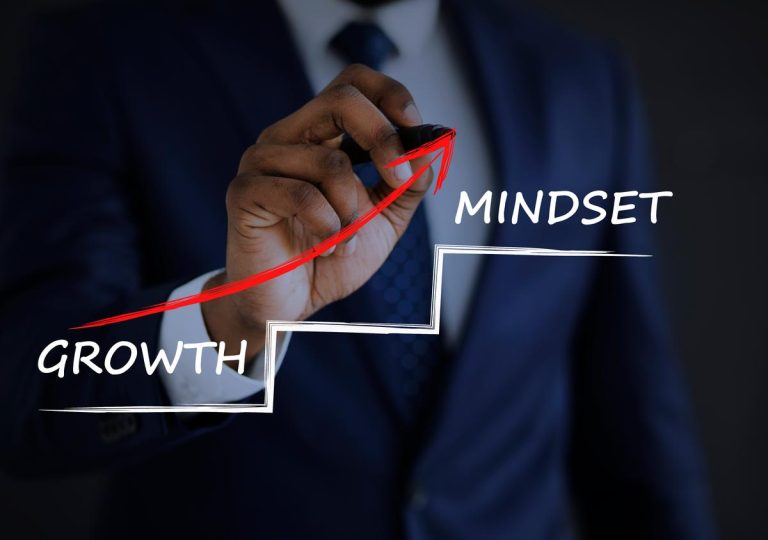
A growth mindset is vital for personal and professional development in today's quickly changing environment. A growth mindset is the concept that your skills and intelligence can be developed through hard effort and devotion.

The concept of a "attitude of gratitude" involves more than simply saying "thank you" when someone does something wonderful for us; it involves a significant transformation in our outlook on life. In this article, we will look at five life-changing gratitude exercises

Starting a healthy eating journey is about more than just losing weight or getting a slimmer body. It's a transformational process that starts within your body.
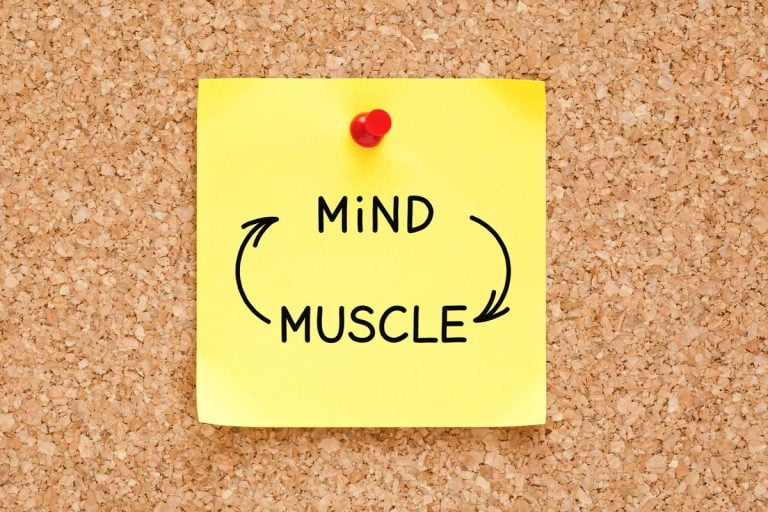
In the world of fitness and bodybuilding, the mind-muscle connection is as important as the exercises themselves. This complex connection relates to the ability to deliberately engage and regulate certain muscles while exercising.
Gratitude, a timeless human emotion, has the key to bringing about outstanding beneficial changes in our lives. The importance of thankfulness has been recognized throughout history, from ancient philosophers to current psychiatrists.

Sleep meditation, which combines meditation and mindfulness practices, has grown in favour as an effective method for promoting relaxation and improving sleep quality. Finding relaxation and getting a good night's sleep can be difficult

In today's fast-paced society, many people find it difficult to get a good night's sleep. Stress, anxiety, and the continual hustle and bustle of life frequently leave us tossing and turning in bed, desperate for a good night's sleep.
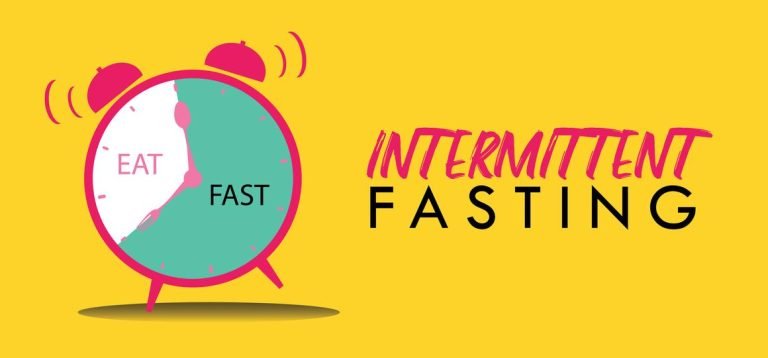
Intermittent fasting (IF) has emerged as a fashionable but promising strategy to long-term weight loss in a world concerned with quick results and fad diets that fail. Unlike many temporary diet trends, IF is based on centuries-old practices and may have health benefits
The demands on our time and attention are greater than ever before in today's fast-paced environment. We are continuously attacked with information, messages, and distractions, making it difficult to efficiently manage our time and remain productive.
